Training that reads the conditions, not just the calendar, for ultrarunners, trail runners, triathletes, cyclists, and swimrunners who want a plan built around the race they're actually training for, and the life they actually live around it.
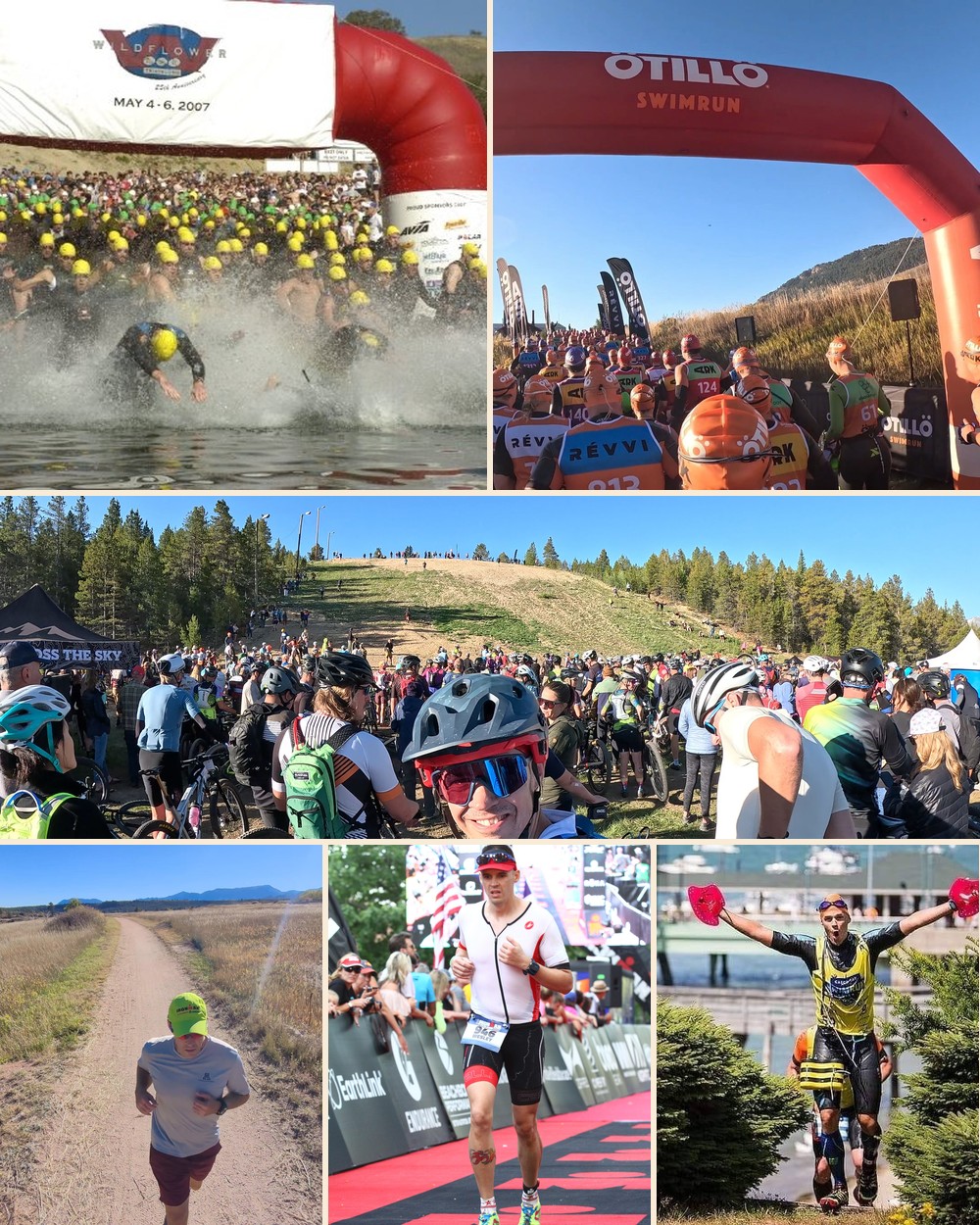
A 70.3 in spring. A gravel race in summer. A swimrun in fall. Different sports, same season, no starting over each time. The variety isn't a distraction from getting better, it's how you stay in this for the long run.
You need someone else holding the map, so the two or three hours you actually have go somewhere instead of getting spent deciding where to start. This isn't for someone chasing one perfect race to validate a season. It's for someone who wants to stay competitive, stay in motion, and stop needing a single result to prove any of it was worth it.
You used to be the athlete who trained twice a day, single sport, no questions asked. That version of you didn't need a plan that bent, because nothing else was competing for the time.
Now training shares a week with a job that doesn't clock out on schedule and a family that comes first, always. That's not a discipline problem. You'd still put in the work if the week gave you the room. What's missing isn't willpower, it's a plan built to absorb a bad Tuesday instead of falling apart because of one.
You don't need more discipline. You need a plan that can take a hit and keep going, same as you do.
We start with your training history, current fitness, injury background, and race calendar. From there, your plan is built in TrainingPeaks and reviewed weekly, so it reflects where you actually are, not where a template assumed you'd be.
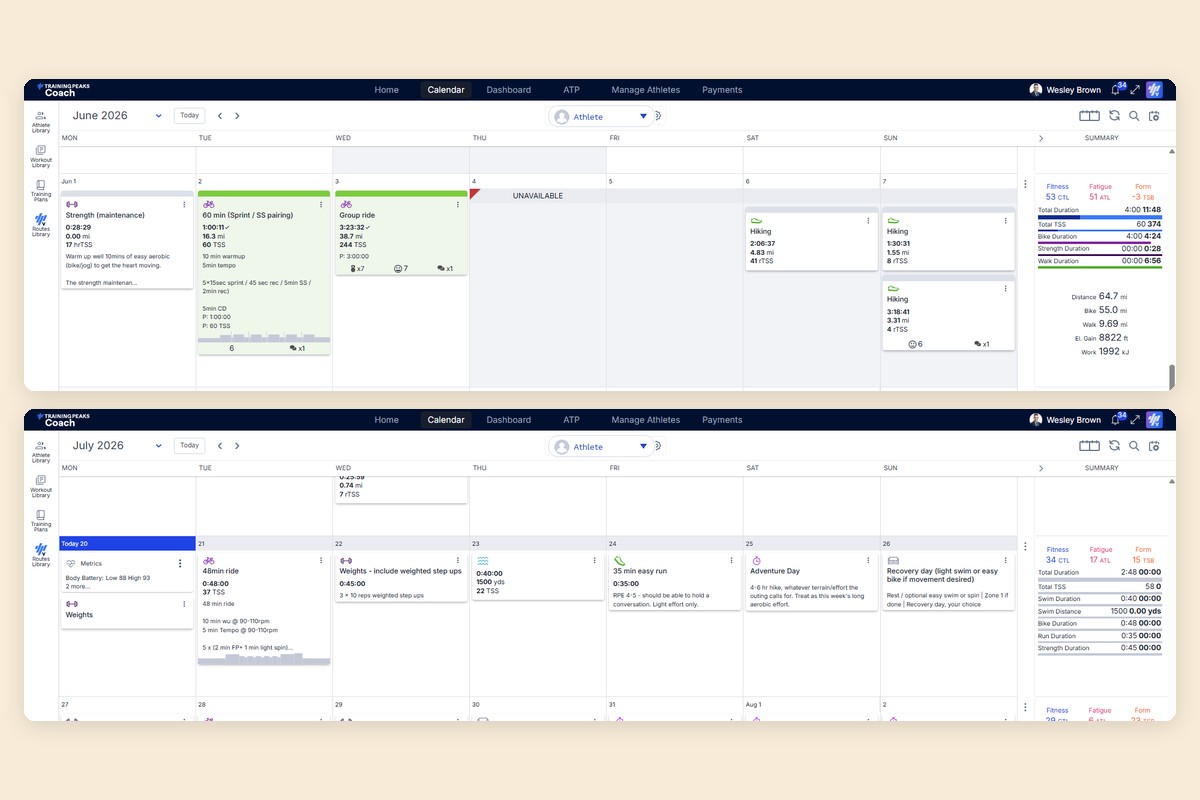
Effort and heart rate over ego, if a zone or a target matters, you'll be held to it. And if the data shows signs of overtraining or injury risk, you'll hear about it directly.
When race day still doesn't go the way your training says it should, when you show up fit and it feels off anyway, that's rarely a fitness problem. It's usually what happened in the two weeks before the gun: a taper and a fueling plan built for an athlete who trains on a predictable schedule, not one built around yours.
"A training plan that only works for one race isn't a training plan, it's a gamble. The goal is sustainable fitness that carries you from this season into the next one."
— Coaching philosophy, Endurance NavigatorsBook a free 30-minute discovery call to talk through your goal race and where you're starting from.
Book a discovery call